

Why Telehealth Works: Therapy That Fits Into Real Life
January 21, 2026
Flexible, Functional Therapy for Real Life
When families think about therapy, they often picture a clinic setting. BUT some of the most meaningful progress happens right at home! That’s where telehealth therapy comes in. At Pediatric Movement Center, telehealth allows our therapists to meet children and families in their everyday environments, creating therapy that is functional, personalized, and designed for real life.
One of the biggest benefits of telehealth is that therapy happens where skills are actually used. Our therapists can observe how your child moves, communicates, and participates in daily routines at home. This gives us valuable insight into challenges like navigating stairs, sitting at the table, climbing furniture, or managing daily transitions—things that are hard to fully replicate in a clinic. By seeing these moments firsthand, therapists can provide targeted strategies that make a real difference.
Telehealth Helps Caregivers
Telehealth empowers caregivers. Parents and caregivers have a front-row seat during sessions, allowing them to listen, ask questions, and learn strategies in real time. Therapists coach caregivers using items already in the home, such as couches, toys, hallways, or play spaces, so no special equipment is needed. This hands-on coaching often leads to stronger carryover and improved follow-through between sessions.
Flexibility and Familiar
For many children, comfort leads to confidence. Being in a familiar space can help children feel relaxed, motivated, and ready to participate. Telehealth sessions often feel fun and novel, especially for children who enjoy interactive or computer-based activities. This flexibility also helps families stay consistent during busy seasons, inclement weather, or times when traveling to the clinic isn’t possible, supporting continuity of care and ongoing progress.
Telehealth isn’t meant to replace in-person therapy—it’s another powerful tool that allows us to meet families where they are. Whether it’s supporting a home exercise program, working through daily routines, or keeping therapy going during schedule changes, telehealth helps reinforce that therapy skills aren’t just for the clinic—they’re for everyday life.
Want to learn more?
Download
our “Why Telehealth?” guide to explore the full list of benefits and tips for preparing for a successful session.

Emotional Regulation Summer Activities for Kids: OT-Inspired Ideas for Calm and Fun

Pacifier use isn't all or nothing. Learn when it helps, when it may hinder development, and how to make weaning easier.

Wondering why your child is always hungry during summer break? Learn how growth, activity, and routines affect appetite and healthy eating.

Summer nutrition tips for kids: healthy snacks, road trip meals, hydration, picky eating strategies, and balanced family habits for a stress-free summer.

fun and interactive activity that parents can do with their children while shopping—teaches kids about healthy foods, food groups, and smart shopping choices.
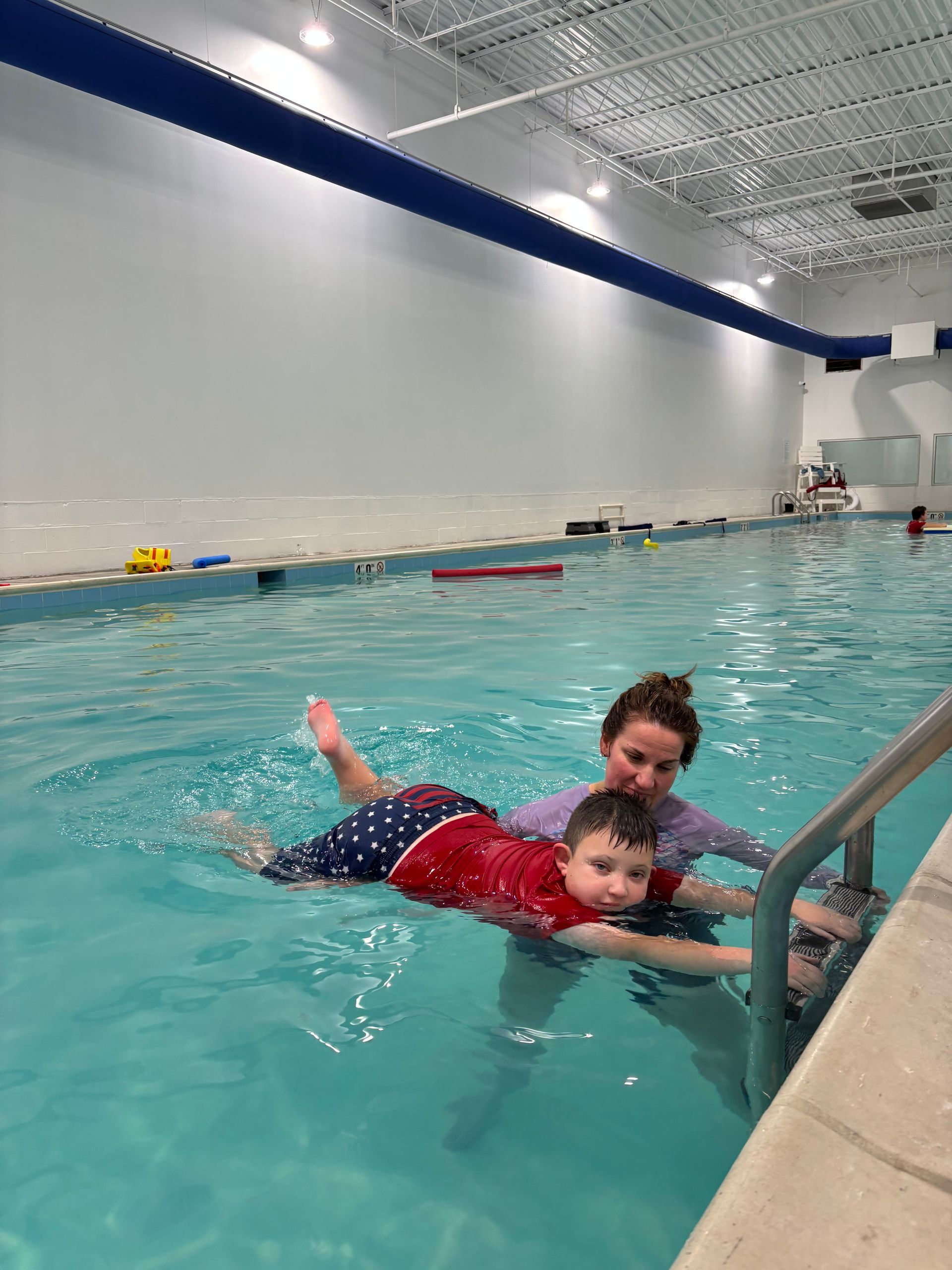
Meet Matthew: A kiddo whose courage, confidence, and joy have grown beyond measure while in therapy at PMC. From conquering his fears in the pool to shining at home and school, his progress has been incredible. With trust, hard work, and an amazing therapy team behind him, Matthew is truly thriving. We couldn’t be prou
